Monday, 17 October 2011

Bolivia - Lake Titicaca, Copacabana and Isla del Sol


Lake Titicaca is immense
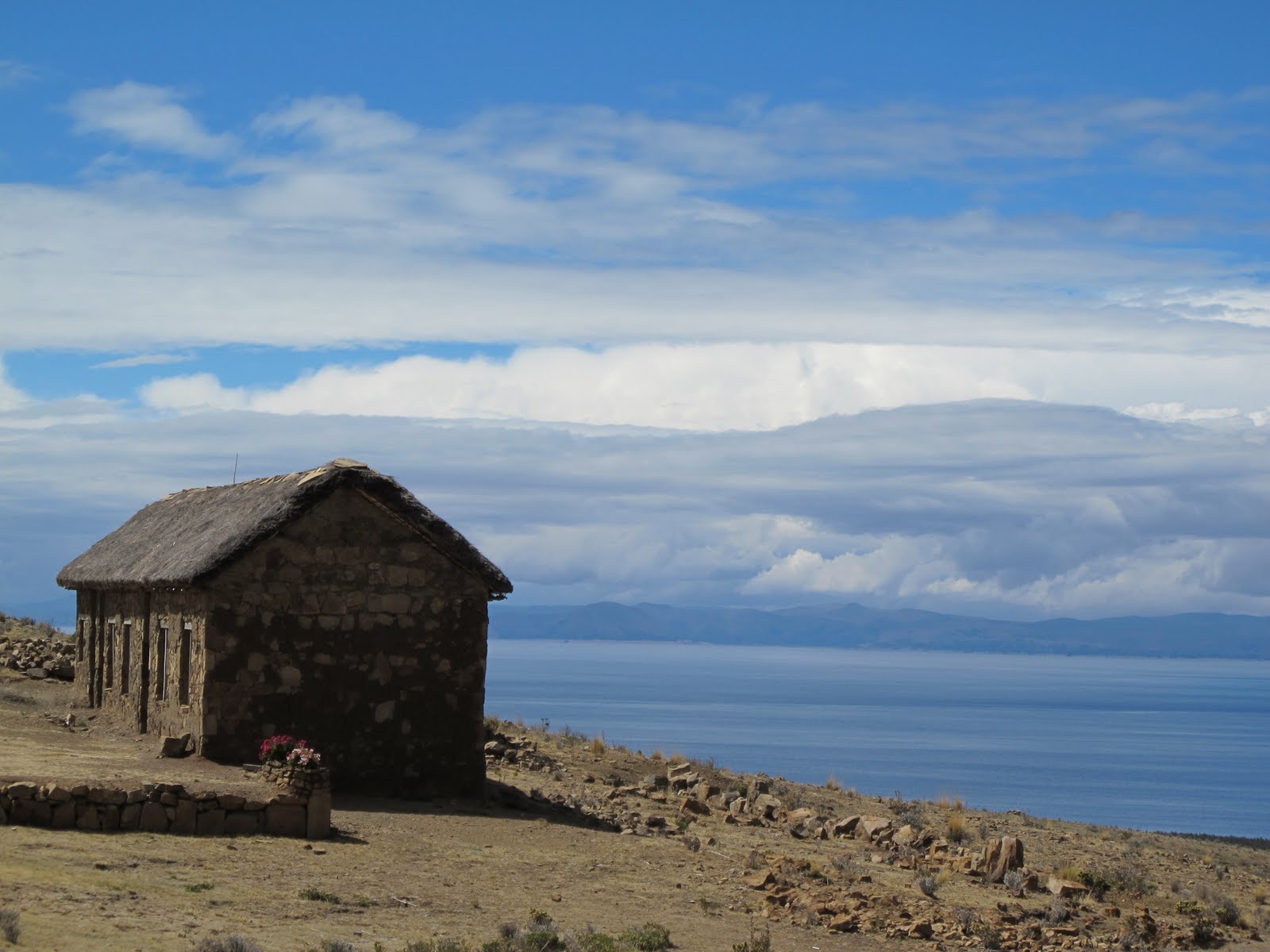
We left Peru with heavy hearts and a lot of great souvenirs. We were headed for Bolivia and the lake Titicaca which is the highest navigable lake in the world. It sits at more than 3800m above sea level and with more than 8000km² it is 4 times bigger than Mauritius!


The lake from our hostel


We decided to skip Puno on the Peruvian side because of all we had heard about it and headed directly to Copacabana, Bolivia. From what we gathered afterwards we did do well. Copacabana was supposed to be quieter and prettier than Puno and with an easy access to the Isla del Sol.


We're allowed inside Bolivia


We were a bit worried about the border crossing because of what we had read beforehand about the immigration officers finding something “wrong” with the visum and asking for US$100 to make the visum “right”. But we were lucky I guess and we got our passports stamped without any questions. 

There is a US$135 “anti-imperialism” visa fee that US citizens (and some other countries like Russia as well) need to pay to enter Bolivia. There was an American couple who were not impressed with that and found it revolting. What I found bizarre was 1) that they did not know about it beforehand 2) for people who travel around they don’t realize how the US treats the rest of the world in terms of visa requirement … I am no fan of Bolivia but I believe in reciprocity ... I only wish more countries would do the same.

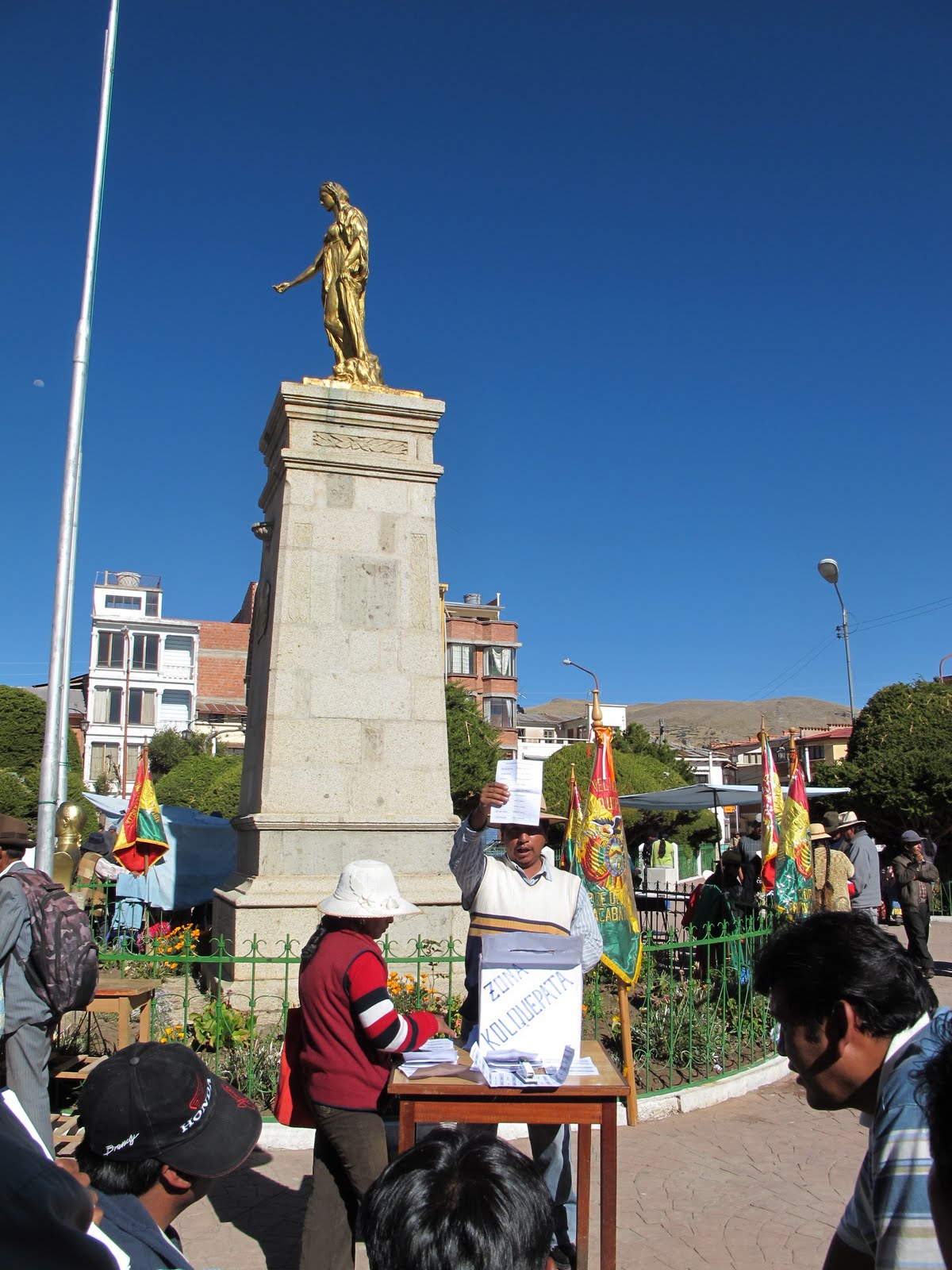
The returning officer counting the votes in the municipal council election 

Anyway we got to Copacabana after clearing a high pass where it started to snow and we were stopped at the entrance of town for a 1 Boliviano (10 Euro cents) municipal tax. The officer climbed on board and was surprised to see that only a handful of passengers had loose change. Considering we had only crossed the border 15 minutes before, I could only laugh at his amazement.

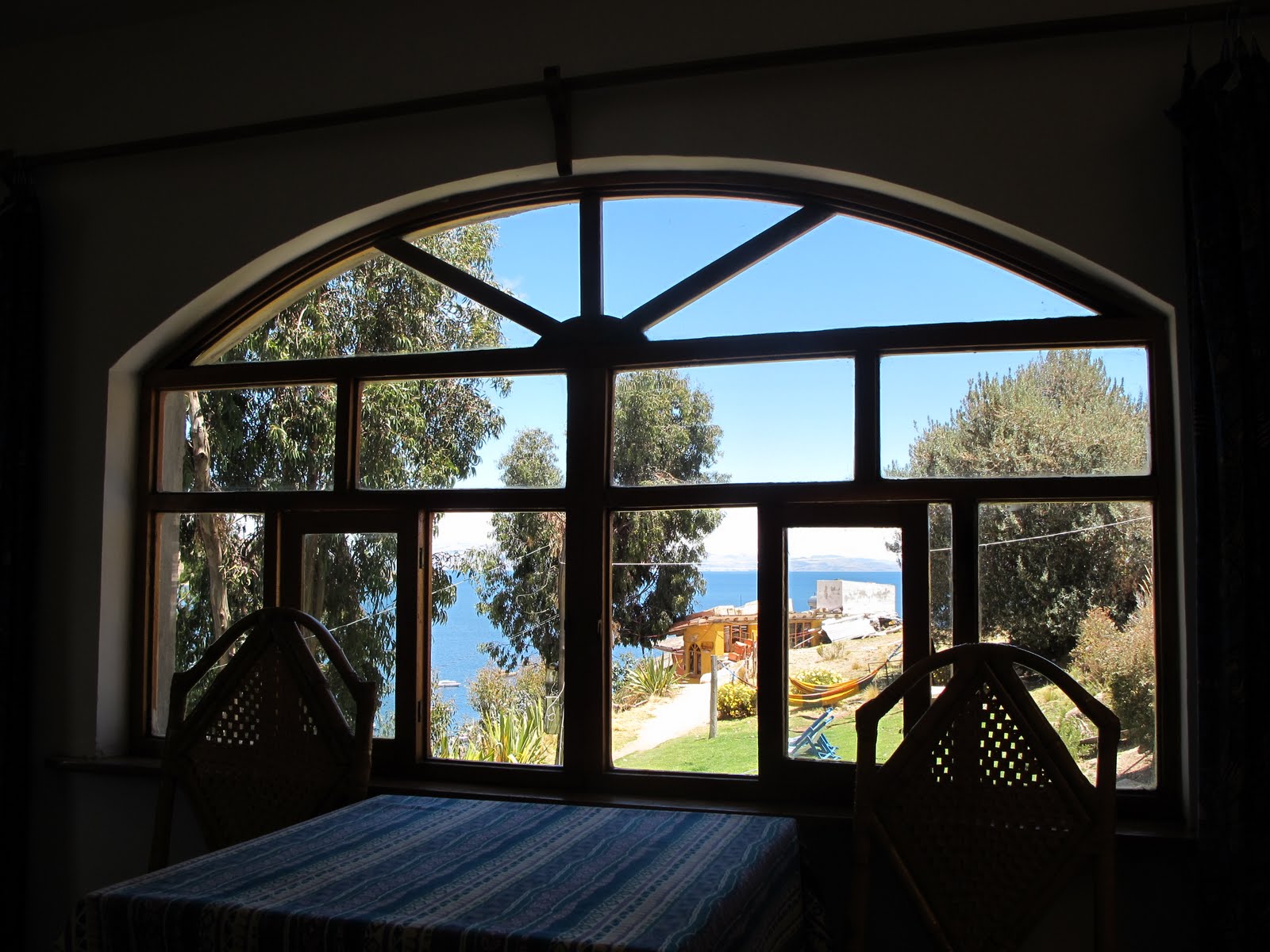
View of the lake from the room
We stayed at a very nice hostel on the side of a hill overlooking the lake. It had all the amenities and spectacular views of the lake. They had the best shower we’ve seen in weeks and I even managed to watch “7 years In Tibet” that afternoon! That evening we ate in the hostel restaurant and got the confirmation of what we had heard (foodwise) : we are not in Peru anymore, sadly.


Roxana skyping in the sun bathed garden


Superb sunset behind the Isla del Sol
The following morning we went to the Isla del Sol where the Sun God is said to have been born and from where the first Inca Manco Cápac is said to have emerged. This is where the Inca culture effectively originates from.


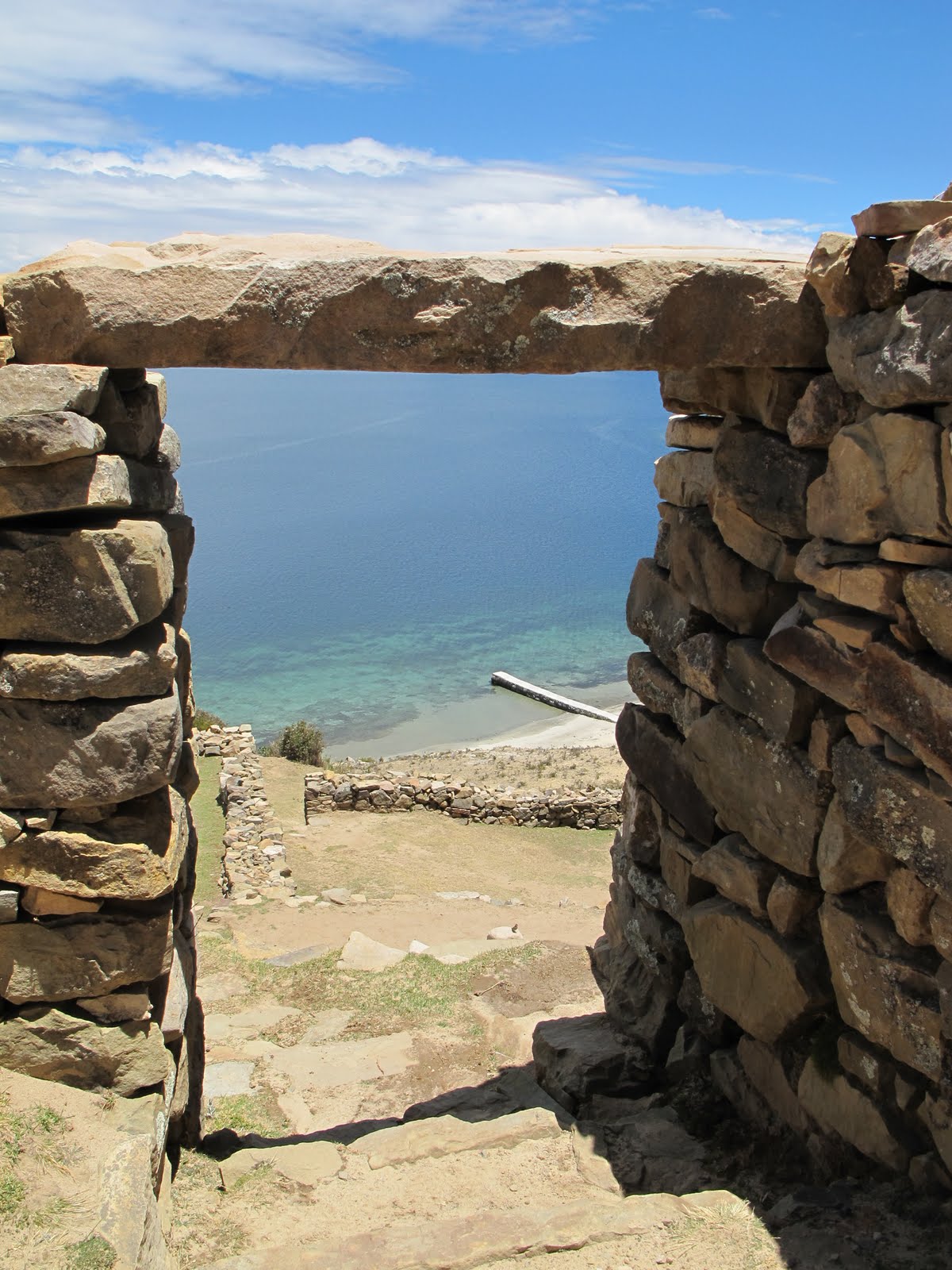
Pre-Inca ruins


The ferry dropped us at the north end of the island where there are a few ruins but most importantly the sacred rock revered throughout the Inca world even to this day. It is believed that this rock has special powers to heal all manners of ailments.

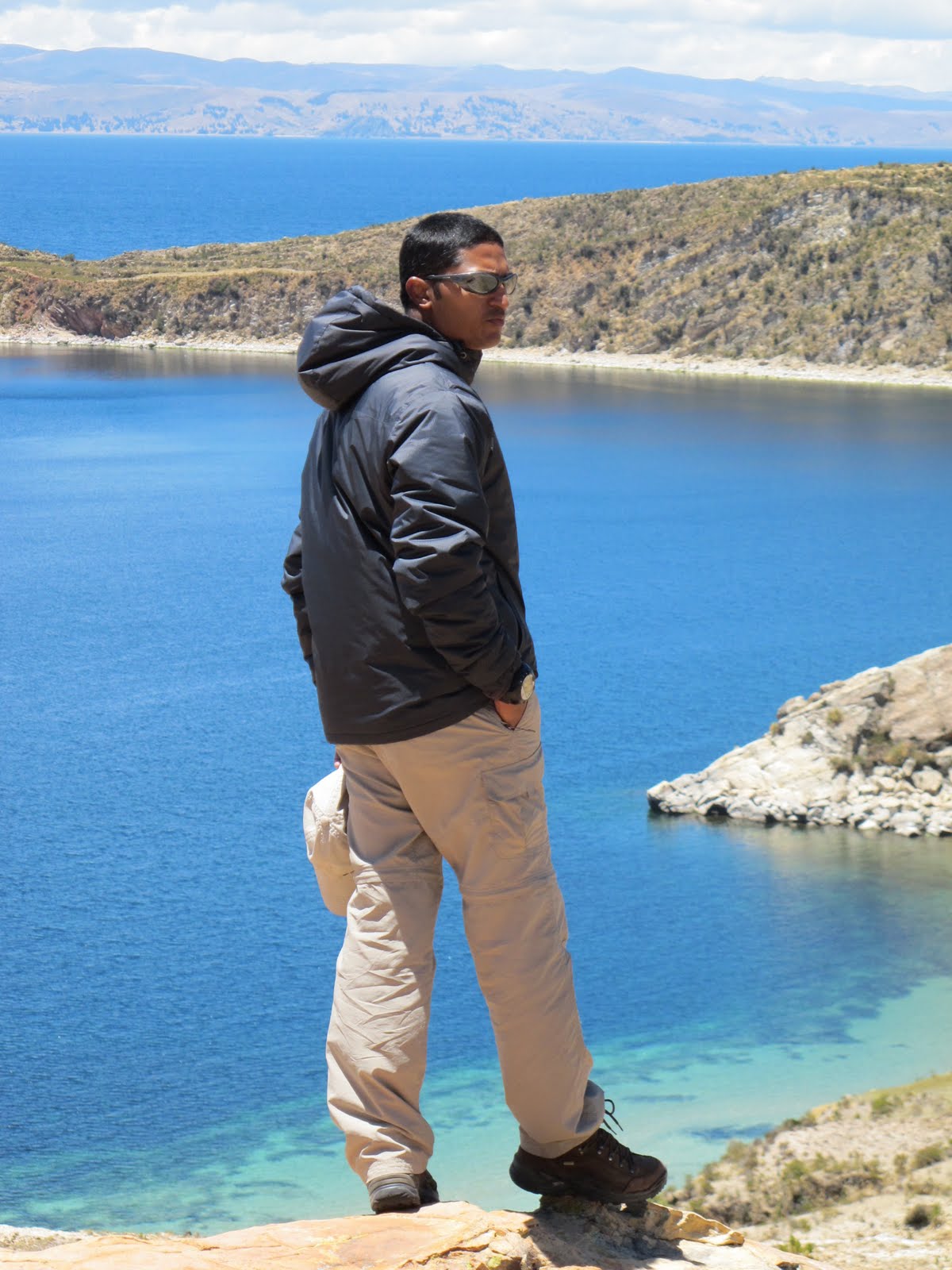
We walked the 9km to the south part and we obviously had to pay a right of way throughout the island : 10Bs in the north + 5Bs in the middle and 5Bs in the south … We took time to soak in the atmosphere and the spectacular scenery. We were very pleasantly surprised by what we saw. The panorama reminded us a lot of the Mediterranean. The northern side of the island is by far the nicest.  We reached the south in about 2.5 hours.


When we got there we started looking for a place to stay. As it was really low season we could negociate the quoted prices downwards a lot. The place was brand new, and good thing too because it gets really chilly at night. There we also met Hakim and Mohamed from the Paris region. We chatted a lot with them and decided we would have dinner together.

A fisherman's boat in the lagoon

After a good night’s rest we took the ferry back to the mainland. Although we were quoted 10Bs for the return trip by all the agencies on the mainland I was very annoyed to see that once on the island the only price that would get you to the other side was 20Bs. Only now it became clear why they would not sell us the return ticket from the mainland, only the outbound one. There is a little price fixing mafia going on – so much so for helping the local island economy. The scam in absolute value is very little but I don’t agree on the principle of it.

Lambs accompanying us on our way to the south

We got back to Copacabana and I went to the market to buy all we needed for lunch, dinner and breakfast the following day. I got myself a very nice piece of steak which will later cause me some stomach upsets! Next stop : La Paz. 

For more photos : Lake Titicaca, Copacabana, Isla Del Sol


Saturday, 15 October 2011

Peruvian Food


Peru produces 15 different types of Corn 


It will come as no surprise for people who know me that at some point I post en entry on food! And how perfect for Peruvian cuisine to serve as the backdrop for that. After all, this is the region of the world (from Mexico to Southern Peru) that gave us peanuts, tomatoes, potatoes (and its sweet cousin), beans, corn, quinoa (which the NASA incorporated in the astronauts’ diet in the 1980's), papaya (paw-paw), grenadine and cocoa. 


All kinds of fruits on offer in some of the best supermarket we've seen anywhere
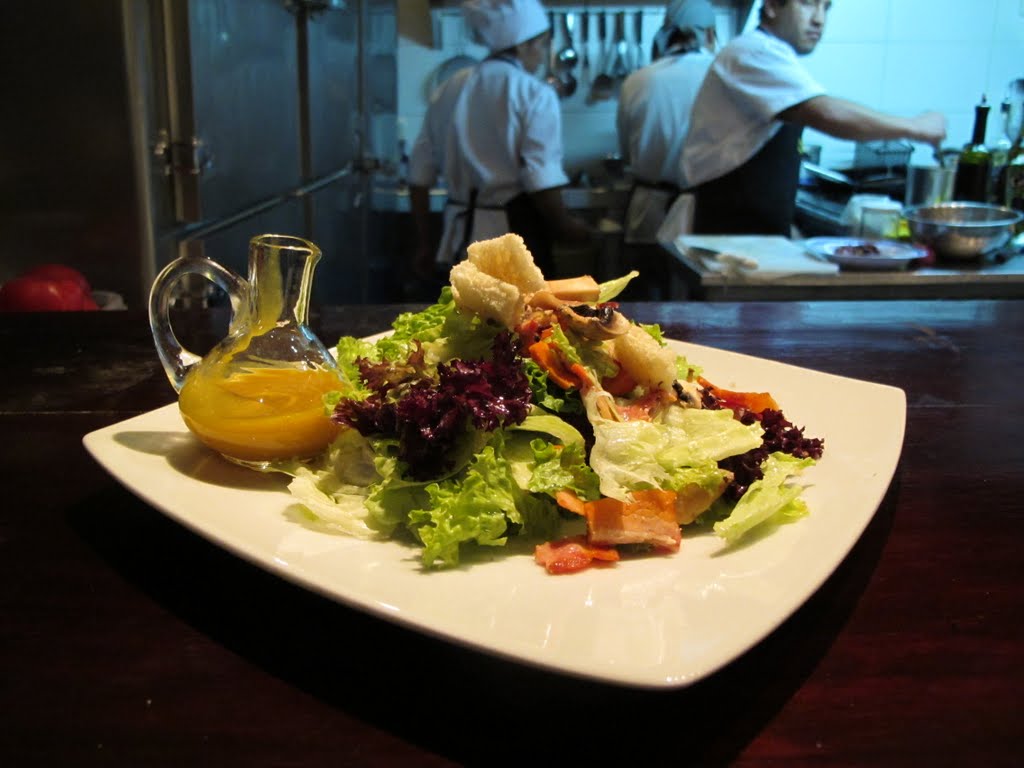
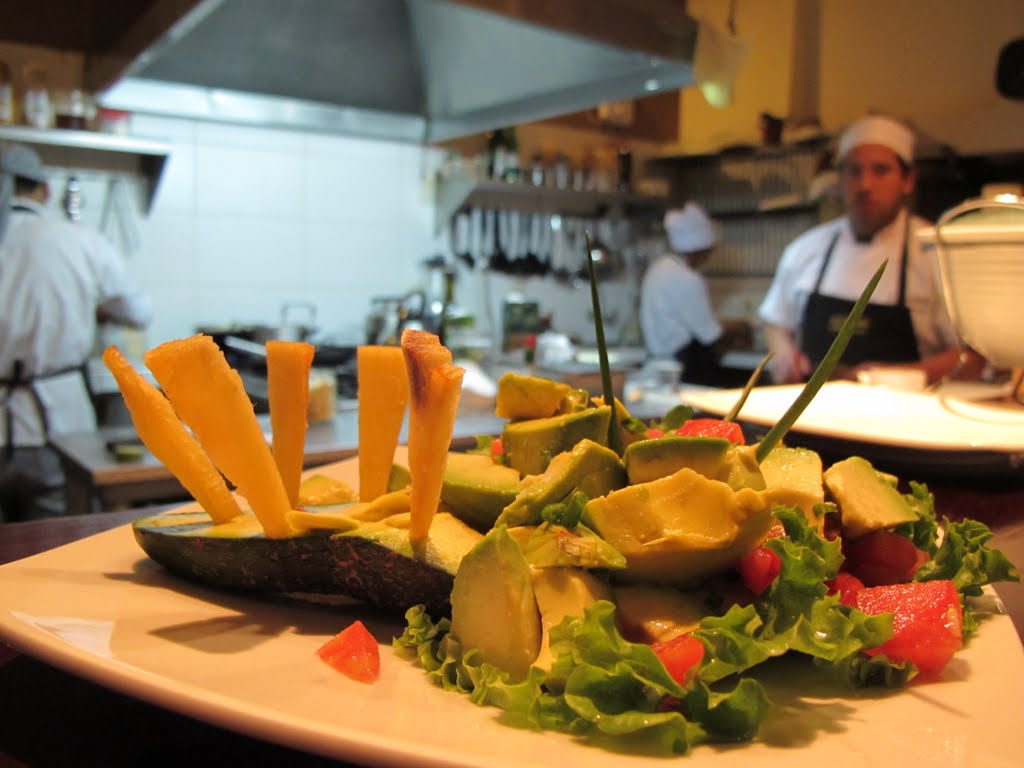
Very nice presentation for a simple salad


Peruvian cuisine is on its way up. This is a country that prides itself to have more than 3.000 varieties of potatoes (music to the ears of our Belgian and Mauritian friends) . For long Peru has favoured Spanish dishes which the higher class considered more befitting people of their standing while dismissing Andean traditional cuisine.


Open Kitchen at "A Mi Manera"
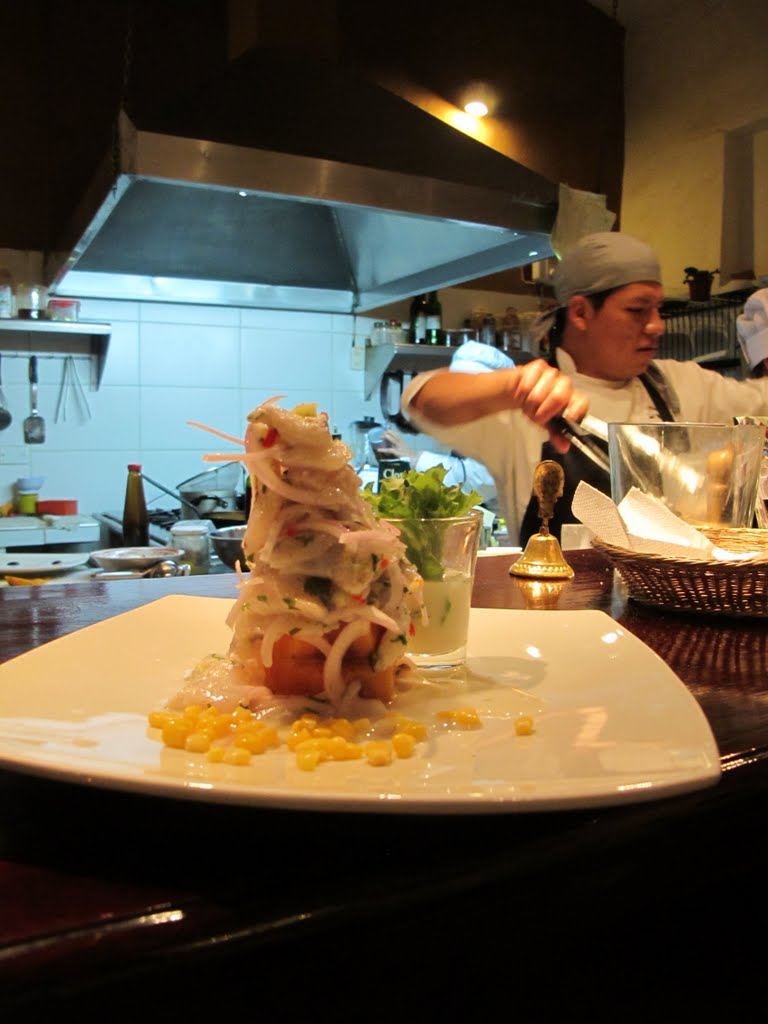
The Peruvian Ceviche is a must


But fortunately things change. With the immigration of many Chinese, Japanese and Italians and local African and Andean influences Peruvian cuisine has forged itself a unique identity. By merging all the aforementioned and adapting to local ingredients Peruvian top chefs are among the most innovative on the planet. Lima was the theatre of the South American Gastronomy event of the year back in September during which it’s most flamboyant chef Gastón Acurio entertained a panel of international colleagues to his vision of Peruvian Gastronomy.


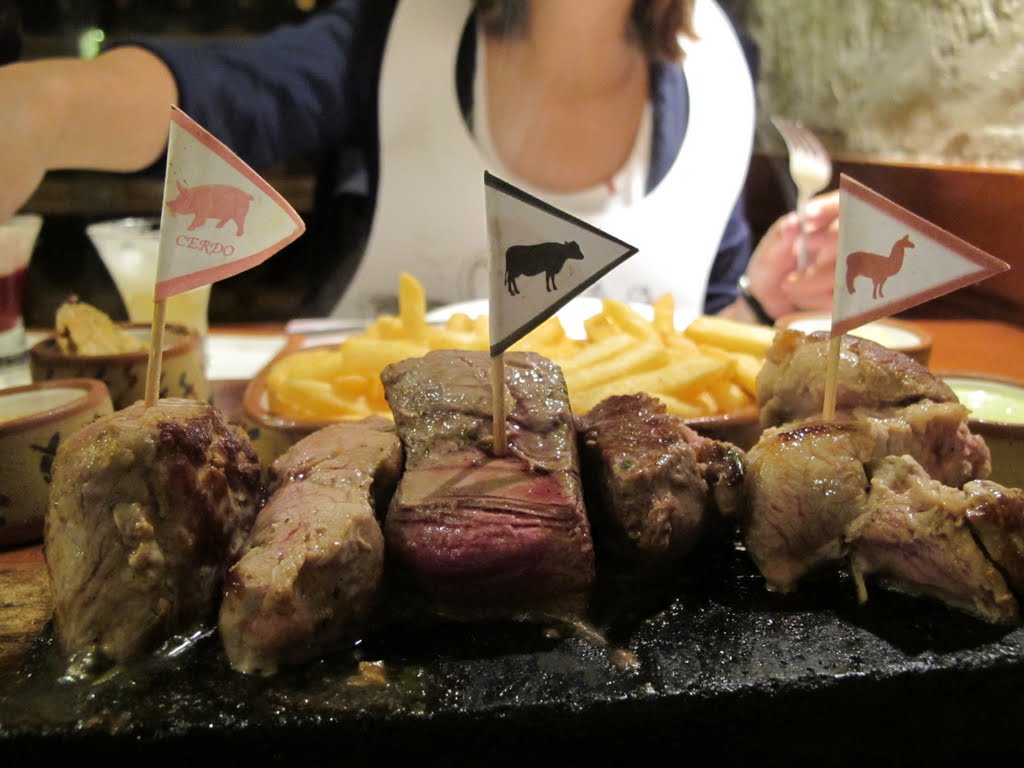
3 meats sizzling on hot volcanic rock

Avocado Salad with Parmesan Chips

Waiting for chicken liver on a skewer


Because Peru also has every type of climate from the windy coastline to the humid jungles and dry deserts virtually all kinds of fruits, vegetable and meat may be found here. The Peruvians enjoy food in every way, shape or form at almost anytime of the day or night whether it is from a street vendor or a hip restaurant. I get hungry all the time here. There'e food everywhere and it all looks good. How can one resist a chicken grilled to a golden crisp and some chunky chips. 


Cooking class in Cusco - Rocoto Rellena
Cuy al Horno - less meat than I thought on it


It is worth mentioning as well here the Cuy, i.e. the Guinea Pig. This is specialty is usually prepared whole, body ridden of the internal organs and stuffed with aromatic herbs. The best way to prepare it is in the oven, although in some restaurants it may be deep fried.


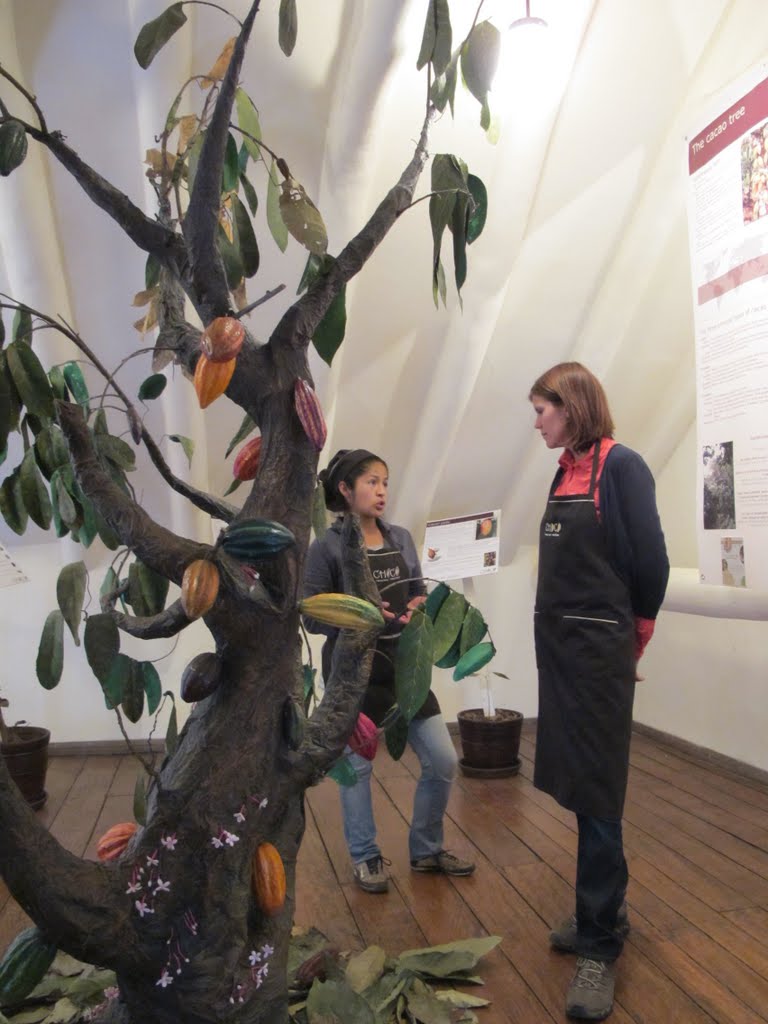
A replica cocoa tree inside the museum


Another gift to the world for which hundreds of millions will be grateful is Cocoa. The Mayas in Southern Mexico discovered this plant that grew in the wet tropical forests. The tree can  reach 3-5 metres high and produces huge pods up to 30cm long in which there are 20-30 Cocoa seeds. The best output occurs between 5 and 15 years. The Mayas used to mix cocoa with chili before drinking.
Roasting the seeds
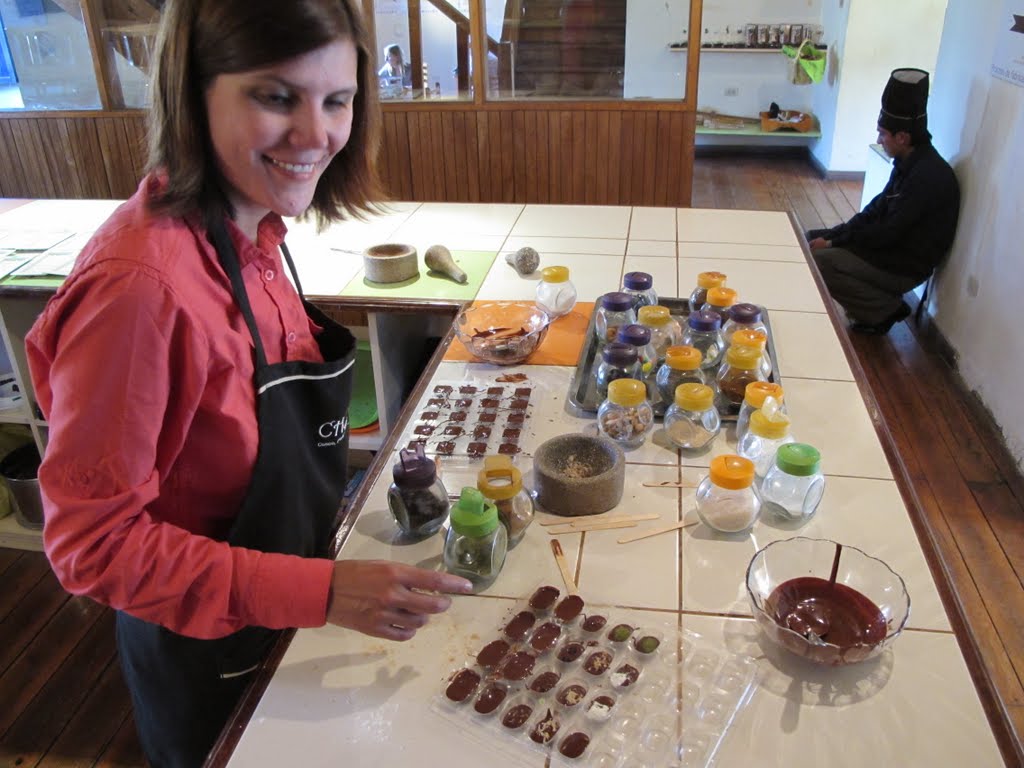
Preparing the chocolate for the final cooling stage
Then the Spanish discovered the bean, but preferred it sweet. So they added  milk, honey, cinnamon, sugar, cloves in all combinations and proportions. That’s about the time the term “Chocolate” emerged. For more than one century Spain kept this precious secret from the other European courts. When the others did find out about it Spain still had a monopoly on imports for another century. Cocoa beans were as precious as gold. The other European colonial powers wanted their own production and that’s how the plant was introduced to Ivory Coast (FR), Ghana (GB), Indonesia (NL).  

Our pictures of the Chocolate Museum

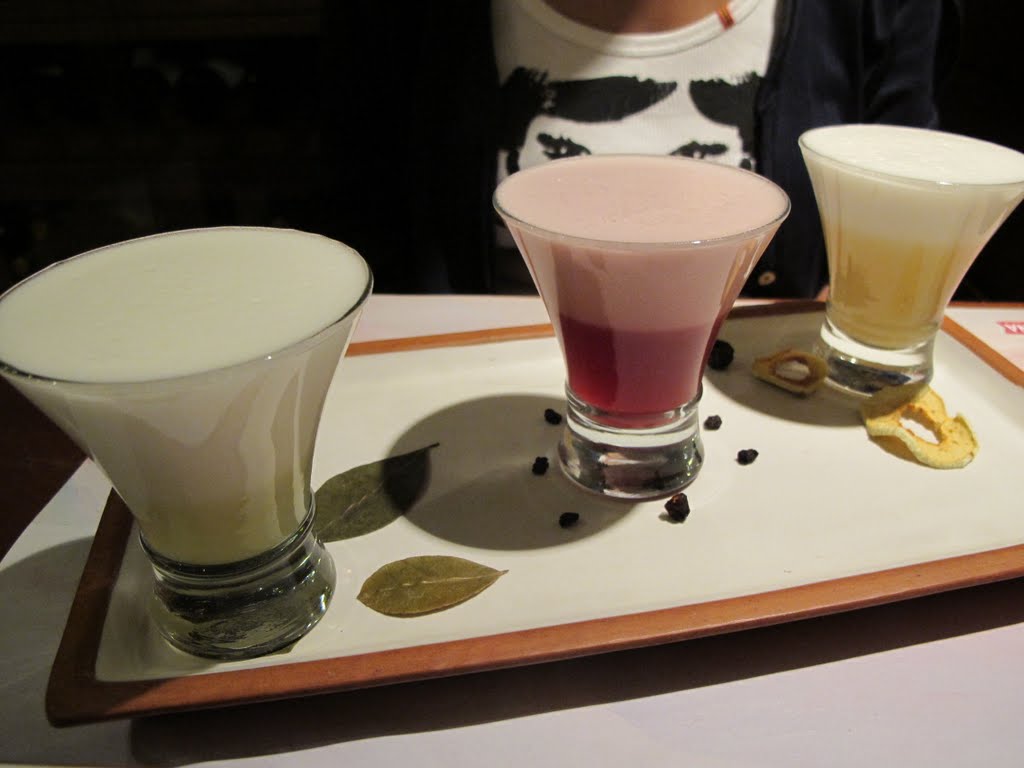
Trio of Pisco Sour

Fill it to rim Kev!


Pisco Sour : This is the national drink in Peru. It is a colourless grape brandy. The closest thing to Pisco is Spanish Orujo or Italian Grapa. To prepare a Pisco Sour one needs : 2 fl oz of Pisco, 1 fl oz of fresh Lime juice, 3/4 fl oz Cane syrup, 1 Egg white, 1 dash of Bitters and  ice cubes. Crush the ice and shake all the above except for the bitters for 30 seconds. Pour the drink and ad a few drops of bitters on the white foam. It is sweet, cold, refreshing  … and extremely treacherous :-). 


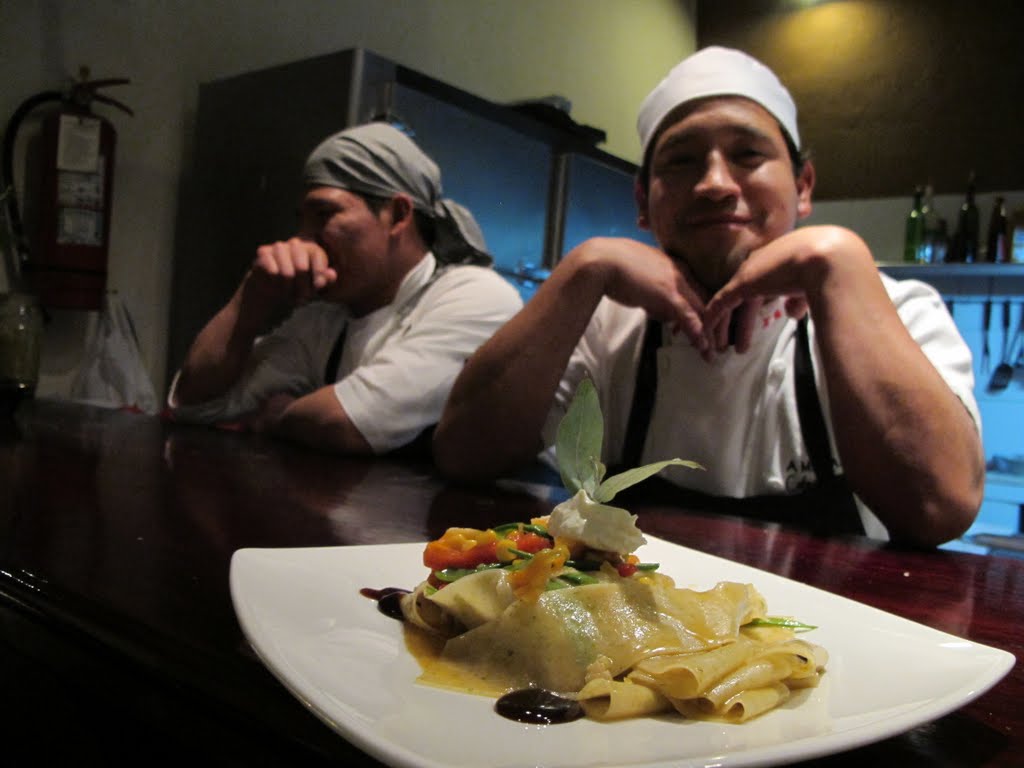
Max posing proudly in front of his masterly executed Fettuccine Alfredo with clams, salted butter and sweet Balsamico di Modena


Thursday, 13 October 2011

Cusco


The Cathedral built on an ancient Inca temple
Ah Cusco, Cusco, Cusco ... overpriced, touristy to boot and so fortunate that Macchu Picchu is around! Cusco was the capital of the Inca civilization but after the Spanish had finished their business with this inland city, they set it to sleep so to say. It stayed like this for a few centuries until the re-discovery of Macchu Picchu. With this Cusco was propelled onto the front scenes again. We embraced Cusco like we embraced Lima. We took up everything the city had to throw at us and there was a lot. 


Street Celebrations
Today Cusco is a city of under 1 million people having tripled in size in something like 20 years. Infrastructure has not kept pace : it does not have a big shopping centre nor a cinema theatre, and traffic is horrendous, yet it is fully geared up for tourism – and sometimes too much so. Touts will try to get your custom at every street corner, selling tours, massages, soft and hard drugs, meals at their restaurants, rooms at their hostels, and every piece of handicraft imaginable. Some ladies even roam the city with llamas asking for money in exchange of a picture. And everything costs more here than anywhere else we’ve been in Peru.
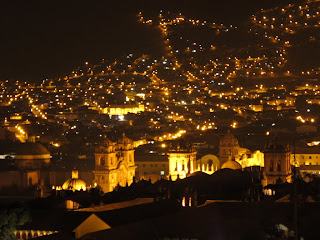
Cusco by night from our hostel in San Blas
We HAD to get the 10-day Boleto Turistico worth 130 Soles (US$50) each to gain access to some of the sites we wanted to visit. All other combo tickets we bought so far were much cheaper. We soon realised that most of the sites included in the Boleto in Cusco were not worth it and the nice ones still had a separate admission fee. That reminded us that the authorities in Peru and Cusco treat the city and its function as the launch pad for Macchu Picchu as a very serious money making machine.  


Pisco Sour making is an art ... that I have not yet mastered!


But fortunately there were still very nice things in Cusco. We took a “free” walking tour. First thing the guide said was that an acceptable tip was 15-30 soles (US$6-12) per person. That was an unusual start. Anyway we went on the tour and it  was fine. Besides, I did get to show off my cocktail making skills by shaking some Pisco Sour in a bar.  
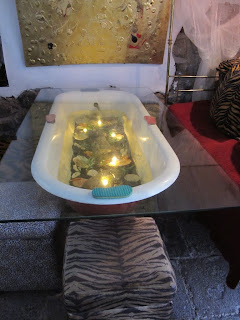


Arty bar/restaurant


And we visited some other interesting places in Cusco that do not usually feature on the traditional tourist route : such as a very “Alternative” Bar  where the tables are bath tubs filled with water and real goldfish and covered with a glass pane.
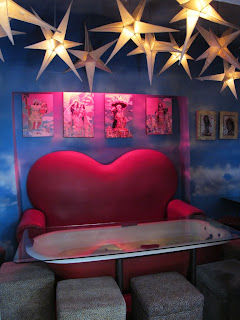


Just to get you in the mood ... 


We saw that too. Apparently it is a young Inca boy who peeed on an explosive canon ball that the Spaniards shot at Cusco to breach the wall. In doing so he saved the city ... hmm "déjà vu?" 
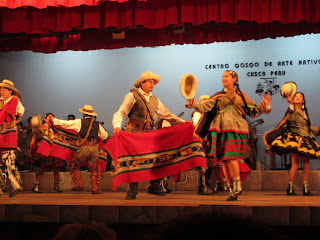


Folklore dance at the Centre of Native Art


We also had a taste of Peruvian folklore dance. It was more colourful than technically impressive but entertaining nevertheless. 


Then we went to yet another Inca ruin, Pisaq. Now why would the Inca build all these cities so high up on far away mountains? At first I naively thought that it was for defense. But as the Spaniards demonstrated, it did not do much. I think they did this to annoy tourists, especially at 3000m+. The place was poorly signalised and no written information could be found around any of the buildings. I can't help thinking that all this is done to force the unsuspecting tourist to hire a guide.  


For more pictures on : Cusco

The other things we really enjoyed in Cusco were the amazing Chocolate Museum, the cooking class and the restaurants where we tasted our first guinea pig …. More on that in the next post. 


Sunday, 9 October 2011

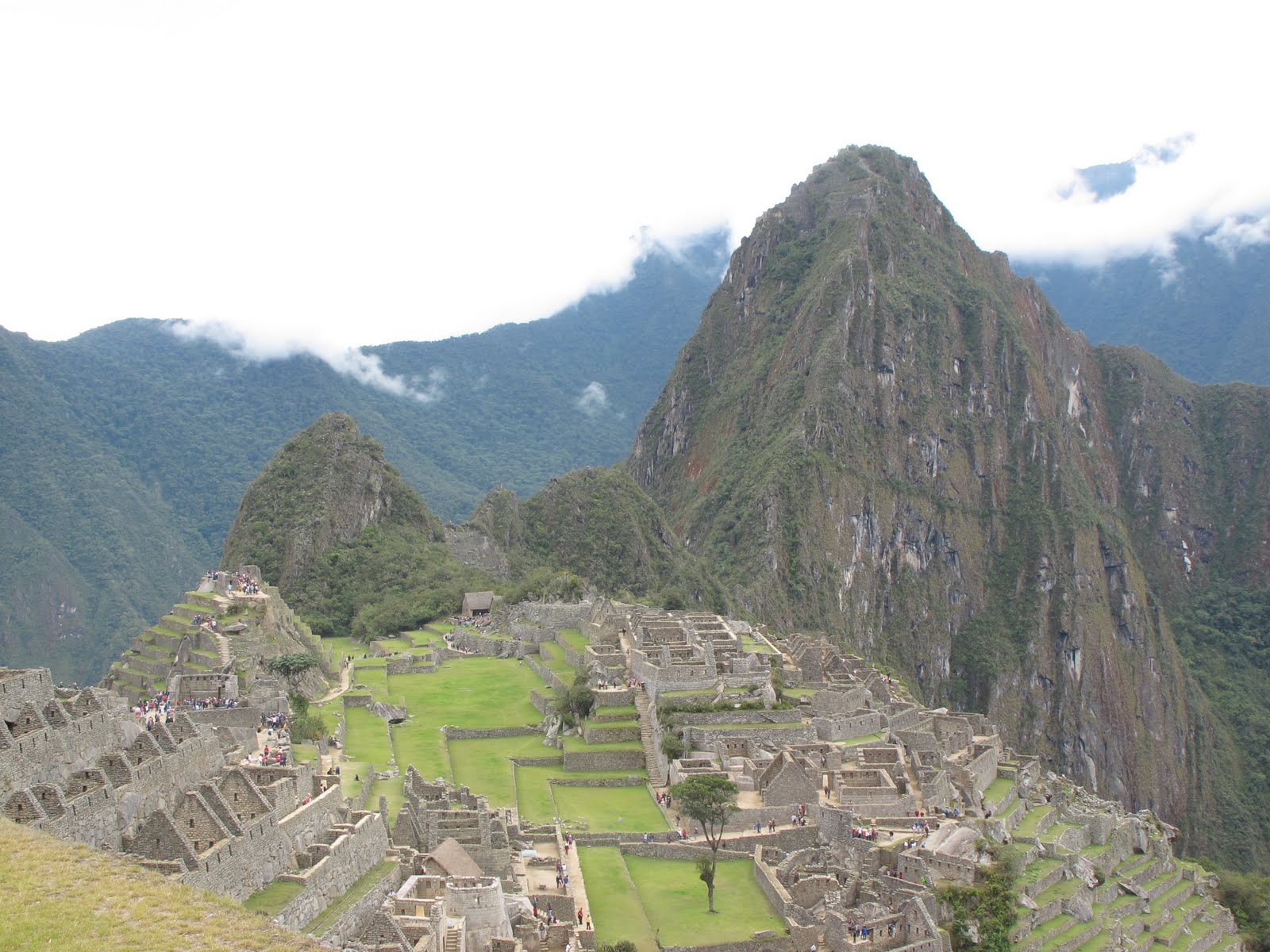
Macchu Picchu

The Classic View

We visited the long awaited Macchu Picchu last week and finally I've had time to write about it. As for the Galapagos I have actually created a dedicated page for it.

If you'd like to read the Article on Macchu Picchu

Or to go directly to the pictures : Macchu Picchu

View from Huayna Picchu


Wednesday, 5 October 2011

Moray, Salinerias and Ollantaytambo

The series of concentric terraces to re-create different micro-climates

Along our route towards Macchu Picchu we visit Moray. Now this amazing site particularly appeals to the scientific in me. The Incas understood that if they wanted to expand even further on the continent they had to maximise their agricultural efficiency. They chose a site between a mountain and a valley and constructed a series of concentric terraces to experiment with crops. Believe it or not, the temperature difference between the innermost lowest circle and the higher sections of the terraces is an astonishing 15°C. Obviously there are different sun expositions (depending on the orientation of the terraces) and by varying the amount of irrigation they could re-create an array of conditions to match the different climates they had in their realm. Basically they grew coca plants, cocoa and tropical fruits in the lower sections, potatoes on the middle terraces and corn at the top. 


Then we went on to another Incan machine for expansion 5km away : Salt pans. The Incas discovered that the water was particularly salty at this spot. They channeled it and concentrated it to obtain saturated brine which they left  to evaporate for a few days to a couple of weeks in order to obtain salt. They loved the salt so much that at first a lot of the Inca nobles were dying of throat cancer! They toned it down somewhat and used it in a barter system trade to procure themselves other important resources.  

More Pictures : Moray & Salt Pans


And after all that we finally reached Ollantaytambo which is our launching pad for Macchu Picchu. In that small town nested on the valley floor between a range of imposing mountains we visited the impressive ruins that the Inca (yes again!) left behind. This town used to be a military, administrative and urban powerhouse before the arrival of the Spaniards.  

More Pictures : Ollantaytambo

Flawless construction. No mortar used to hold the stones together. 

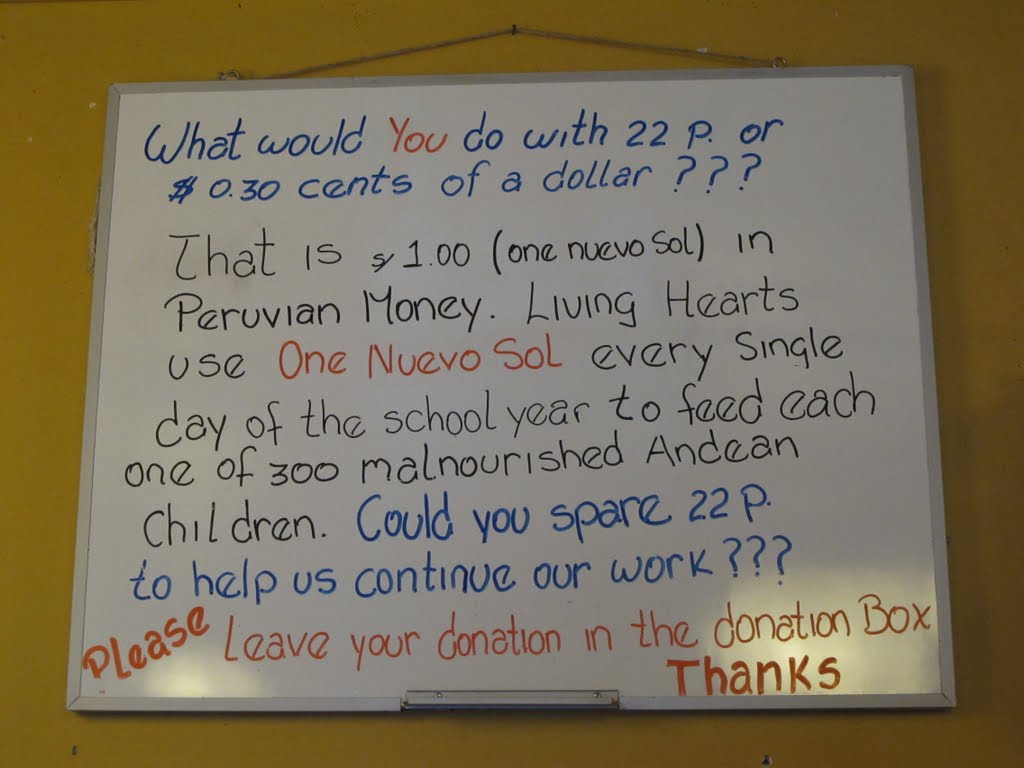
On a side note we really enjoyed a restaurant in particular there : the Hearts Café. It was set up by a British lady who left everything in the UK to help the people of this area. The restaurant is run like any other except that all the profits go towards the educational advancement of the Queshua communities in the region.


If you'd like to see what they do : http://livingheartperu.org/index.html